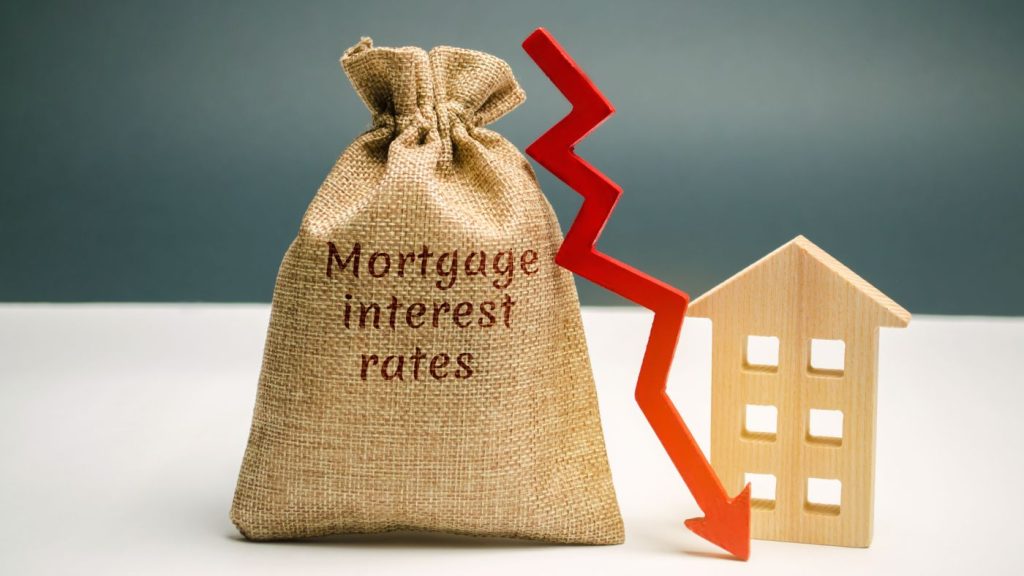

Mortgage rates 3-year low – those are the words homebuyers and homeowners have been waiting to hear. If you’ve been watching mortgage rates and waiting for the right moment to make your move, that moment might be right now. As of January 22, 2026, mortgage rates have reached their lowest point in more than three years, creating a golden opportunity for both homebuyers and current homeowners considering a refinance.
According to the latest data from Freddie Mac, the average 30-year fixed mortgage rate is hovering around 6.09%, with rates having recently dipped as low as 6.06% earlier this month. To put this in perspective, the last time we saw rates this favorable was back in September 2022. Just one year ago, in January 2025, borrowers were facing rates near 7.04%. That’s a dramatic improvement that translates into real money in your pocket every single month.
Why Are Mortgage Rates at a 3-Year Low?
Several factors have converged to create this favorable environment for borrowers. Understanding what’s driving rates down can help you make more informed decisions about your home financing.
Economic Trends and Federal Policy
The broader economic landscape has shifted significantly over the past year. Inflation has been gradually cooling, and the labor market, while still strong, has shown signs of stabilizing. These factors have contributed to a more favorable environment for mortgage rates, which tend to follow the 10-year Treasury yield rather than the Federal Reserve’s benchmark rate directly.
In early January 2026, President Trump directed Fannie Mae and Freddie Mac to purchase $200 billion in mortgage-backed securities. According to housing market experts, these purchases have already begun putting modest downward pressure on mortgage rates, at least in the short term. While the long-term impact remains to be seen, the immediate effect has been beneficial for borrowers.
Market Dynamics Are Shifting
For years, the housing market has been characterized by what economists call the “lock-in effect.” Homeowners who secured ultra-low rates during the pandemic (many in the 2-3% range) were understandably reluctant to sell and give up those incredible rates. This created a stagnant market with limited inventory.
But here’s the interesting development: according to Realtor.com analysis, the share of homeowners with mortgage rates above 6% has now surpassed the share with ultra-low rates below 3%. This shift suggests that the lock-in effect is starting to ease. More homeowners are willing to make moves, which means more inventory and more opportunities for buyers.
What Does This Mean for Your Monthly Payment?
Let’s talk real numbers, because that’s what matters when you’re making one of the biggest financial decisions of your life. The difference between last year’s rates and today’s mortgage rates at a 3-year low is substantial.
Consider a buyer purchasing a $450,000 home with a 20% down payment. At the January 2025 average rate of 7.04%, monthly principal and interest payments would be approximately $2,405. At today’s average rate of 6.09%, those same payments drop to roughly $2,172. That’s a savings of about $230 per month, or close to $84,000 over the life of a 30-year loan.
For a $300,000 home (again with 20% down), you’d save approximately $154 monthly at 6.09% versus 7.04%. For a $400,000 home, the savings jumps to around $205 per month. These aren’t trivial amounts – they represent real financial breathing room in your budget.
Should You Buy Now or Wait for Rates to Drop Further?
This is the million-dollar question, isn’t it? While no one has a crystal ball, we can look at what the experts are forecasting to help guide your decision.
Fannie Mae’s January 2026 Housing Forecast predicts that the 30-year fixed rate will hover around 6% for most of 2026 and all of 2027. The Mortgage Bankers Association’s December forecast was slightly more conservative, projecting rates to stay around 6.4% throughout 2026.
Here’s what’s important to understand: most experts don’t expect mortgage rates to drop below 5% anytime soon. According to industry analysts, several factors need to align for that to happen, including more pronounced softening in labor and inflation data. Current economic indicators don’t suggest we’re heading in that direction just yet.
Additionally, as Bankrate reports, rates have already begun ticking back up slightly from their mid-January low point. This demonstrates just how quickly market conditions can shift.
Refinancing Opportunities Are Back on the Table
If you’re a current homeowner, the recent drop in mortgage rates might make refinancing worth considering again. For the past few years, refinancing activity has been minimal because most homeowners locked in those pandemic-era low rates and there was simply no reason to refinance into a higher rate.
But here’s who should be paying attention now:
Recent Buyers: If you purchased a home in 2023 or 2024 when rates were in the 7-8% range, refinancing to today’s rates could save you hundreds per month. Most experts suggest refinancing makes sense if you can lower your rate by at least 0.50 percentage points.
Homeowners with ARMs: If you have an adjustable-rate mortgage that’s about to reset, now could be an excellent time to lock in a fixed rate before rates potentially climb higher.
Equity-Rich Homeowners: Those who have built substantial equity might explore cash-out refinancing at these more favorable rates to fund home improvements, consolidate high-interest debt, or invest in other opportunities.
According to Freddie Mac’s chief economist Sam Khater, “Weekly purchase applications and refinance activity have jumped, underscoring the benefits for both buyers and current owners.”
How to Lock in the Best Rate Possible
While mortgage rates hitting a 3-year low is great news, remember that the advertised national average isn’t necessarily the rate you’ll receive. Your personal rate depends on several factors, and there are strategies to ensure you get the best deal possible.
Shop Around Aggressively
This cannot be overstated. Different lenders can offer rates that vary by a full percentage point or more, especially on government-backed loans like FHA or VA loans. According to mortgage experts, getting quotes from at least three to five lenders can potentially save you thousands of dollars over the life of your loan.
Working with a mortgage broker can be particularly advantageous in today’s market. Brokers have access to wholesale pricing across multiple lenders, which can give them a real edge over traditional banks and retail channels.
Consider Shorter-Term Loans
The 15-year fixed-rate mortgage currently averages 5.44% – nearly 0.65 percentage points lower than 30-year rates. While your monthly payments will be higher due to the accelerated timeline, you’ll pay significantly less in interest over the life of the loan. If your budget can handle the higher payment, this option is worth exploring.
Look into Adjustable-Rate Mortgages
Adjustable-rate mortgages (ARMs) can provide approximately 50 to 75 basis points (0.50-0.75%) lower rates compared to 30-year fixed rates. If you don’t plan to stay in the home long-term or expect to refinance again within a few years, an ARM could significantly reduce your monthly payments in the near term.
Improve Your Credit Profile
Your credit score has a massive impact on the rate you’ll be offered. Before applying for a mortgage, review your credit report, pay down credit card balances, and avoid taking on new debt. Even improving your score by 20-40 points can result in a noticeably better rate.
Consider Discount Points
Buying discount points means paying cash upfront to permanently lower your interest rate. Each point typically costs 1% of your loan amount and usually reduces your rate by about 0.25%. Run the numbers carefully to determine your break-even point – how long you’d need to stay in the home for the upfront cost to be worthwhile.
The Window Might Not Stay Open Long
Here’s the reality: windows of opportunity in the mortgage market can close quickly. While we’re currently enjoying mortgage rates at a 3-year low, several factors could push rates back up in the coming months.
The Federal Reserve has indicated it plans to cut rates only once in 2026. The next Fed meeting is January 27-28, though most analysts don’t expect a rate cut at this meeting. Additionally, how the labor market performs and whether inflation continues to decline will play significant roles in rate movements.
Housing activity is already picking up. The National Association of Realtors reports that sales of previously owned homes jumped 5.1% in December 2025 compared to the prior month, marking the fourth consecutive month of gains – the longest streak since mid-2020.
Increased demand, combined with limited inventory in many markets, creates competition. More buyers entering the market now means you’ll face more competition for available homes, potentially driving prices up even if rates remain stable.
What About Home Prices?
It’s important to note that while mortgage rates have improved dramatically, home prices haven’t followed suit. The median existing home sale price was $405,400 in December 2025, according to the National Association of Realtors. This marks the 30th consecutive month of year-over-year price increases.
This creates an interesting dynamic. Lower rates improve affordability by reducing monthly payments, but sustained high prices mean you’re still borrowing substantial amounts. The combination of relatively high prices and improving (but not exceptionally low) rates means that while conditions are better than they were a year ago, homeownership remains a significant financial commitment.
Your Action Plan for 2026
So what should you actually do with this information? Here’s a practical roadmap:
If you’re planning to buy: Don’t wait for perfect conditions that may never arrive. Current rates are favorable, and trying to time the market perfectly is nearly impossible. Get pre-approved now, understand what you can truly afford at today’s rates, and start your search. If rates do drop further, you may be able to refinance later. But if rates climb, you’ll be glad you locked in when you did.
If you’re considering refinancing: Calculate your potential savings using current rates and compare them against closing costs. If the numbers make sense and you plan to stay in your home long enough to recoup those costs, move forward. Rate windows can close quickly.
If you’re on the fence: Get educated now. Talk to a trusted mortgage professional, understand your options, and get pre-qualified even if you’re not ready to move immediately. Being prepared means you can act quickly when you find the right opportunity.
The Bottom Line on Today’s Mortgage Rates
Mortgage rates hitting a 3-year low represents a significant shift in the housing market landscape. After years of rates in the 7-8% range putting homeownership out of reach for many Americans, we’re finally seeing meaningful relief. While rates aren’t back to the historic lows of 2020-2021, they’re substantially better than what we’ve experienced over the past two years.
The question isn’t whether rates might drop another quarter or half point in the coming months – they might, or they might not. The question is whether current rates make homeownership or refinancing financially viable for your situation. For many people, the answer is yes.
Remember, you’re not just buying a rate – you’re buying a home, investing in your future, and building equity. The “perfect” rate doesn’t exist, but opportunity definitely does. With mortgage rates at their lowest point since 2022, we’re in one of the most favorable environments we’ve seen in years.
If you’ve been sitting on the sidelines waiting for conditions to improve, it’s time to seriously evaluate whether now is your moment. Contact a knowledgeable mortgage professional who can analyze your specific situation, run the numbers for your scenario, and help you make an informed decision about whether to lock in these favorable rates before the window closes.
The housing market rarely offers perfect conditions. What it does offer are moments of opportunity – and right now, with mortgage rates at a 3-year low, we’re definitely in one of those moments.